Understanding exactly what's in a supplement is the single most useful thing you can do before buying it. Here's a closer look at the ingredients reported in the Dermacept formula — what each one is, why it might be included, and what the evidence around it actually looks like.
Biotin: The Headline Ingredient
Biotin sits front and center on the Dermacept label at a stated 2,500 mcg per serving. Also called vitamin B7, Biotin is a water-soluble vitamin involved in the body's normal energy metabolism. It's one of the most commonly referenced nutrients in beauty-supplement formulas, which is likely why Dermacept leads with it.
Turmeric Curcumin
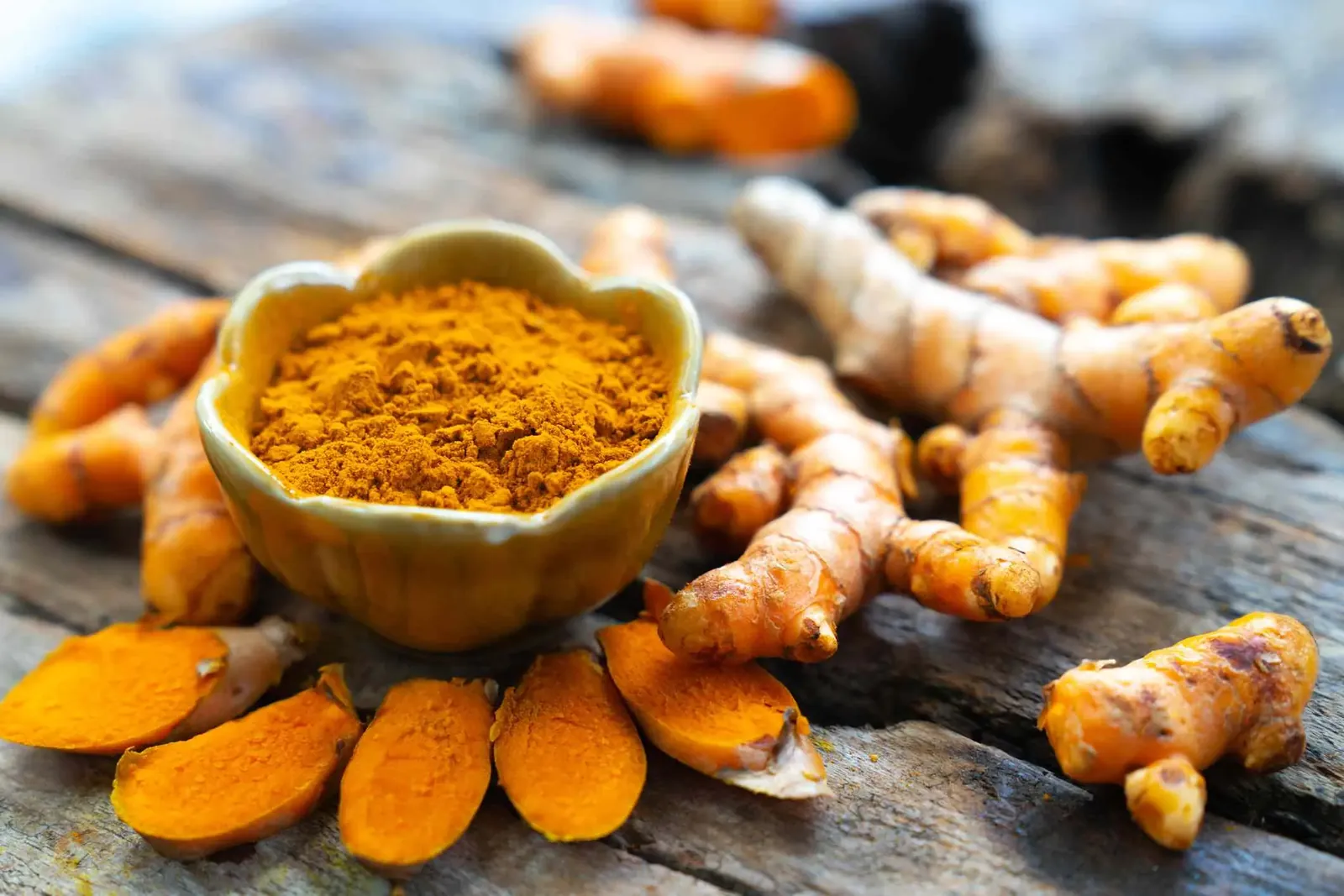
Curcumin is the best-known compound in turmeric, a spice with a long history in traditional wellness practices. It has been studied for antioxidant and anti-inflammatory properties, though findings vary depending on preparation, dose, and the specific outcome studied. Its presence in Dermacept does not establish that the finished product delivers a specific cosmetic result — it's one part of a larger blend.
Boswellia Extract
Boswellia is derived from the resin of trees in the Boswellia genus. Certain compounds in Boswellia extracts have drawn research interest for their effects on inflammatory pathways. In Dermacept, it's presented as one botanical component among several rather than a standalone active ingredient.
Ginkgo Biloba
Ginkgo biloba leaf extract has been studied for antioxidant activity and other biological effects. It's worth noting that Ginkgo may interact with certain medications, particularly those affecting blood clotting, so it's worth a conversation with a healthcare professional if that applies to you.
B-Complex Vitamins
B-complex vitamins contribute to energy metabolism and cellular activity throughout the body. Dermacept's label should be checked directly to confirm exactly which B vitamins are included and their individual amounts, since "B-complex" can refer to different combinations across products.
Magnesium
Magnesium is an essential mineral naturally found in foods like nuts, seeds, legumes and whole grains. It supports normal muscle and nerve function along with many other cellular processes. As with every ingredient here, the specific amount in Dermacept should be confirmed on your current label.
Licorice Root
Licorice root has a long history in traditional wellness use and appears in various cosmetic formulations. Some of its compounds have been studied in relation to skin pigmentation when used topically — findings that don't automatically translate to an oral capsule. Certain licorice preparations can also affect blood pressure, so people with relevant conditions should check with a professional before use.
Cinnamon Extract
Cinnamon, a familiar spice, contains naturally occurring compounds that have been studied for several biological effects. Results vary by species, preparation and dose, and Dermacept's inclusion of cinnamon extract should be understood as one piece of a broader blend rather than a standalone claim.
Chromium Picolinate
Chromium is a trace mineral, and picolinate is a common supplemental form. It has been investigated in relation to nutrient metabolism, though evidence for many proposed benefits remains mixed. People with kidney or liver conditions, or those on blood-sugar medication, should seek professional advice before using chromium-containing supplements.
Want the full breakdown with amounts and roles?
Order Dermacept NowHow to Evaluate This Formula
A useful ingredient review goes beyond a list of botanical names. Before ordering, check the complete Supplement Facts panel on the current label, the manufacturer's recommended serving size, and any allergen warnings. For the complete ingredient-by-ingredient guide with serving details, visit our Dermacept ingredients page, or see how these ingredients are positioned to work together in how Dermacept works.